While COP31 concluded without an overarching climate agreement, electrification remained a central theme of this year’s conference. Growing international support for increasing electricity’s share of global energy consumption to 35% by 2035 brings renewed attention to the infrastructure needed to deliver the energy transition.
The 2026 United Nations Climate Change Conference (COP31) concluded in Antalya, Türkiye, on November 22. Although countries were unable to reach consensus on a broader climate agreement, progress was made in areas including climate finance, adaptation, just transition, and electrification.
One of the defining themes of this year’s conference was the 35-by-35 Global Electrification Pledge, a voluntary initiative introduced by the COP31 Presidency earlier this year. The pledge aims to increase electricity’s share of global final energy consumption from approximately 23% today to 35% by 2035. At COP31, countries representing around half of the global economy expressed support for this ambition or indicated their intention to achieve it earlier.
Alongside the pledge, the COP31 Electrification Delivery Package brought together investment plans, industry commitments, and infrastructure initiatives involving more than 150 countries and 260 businesses.
Among the key announcements, members of the Utilities for Net Zero Alliance (UNEZA) outlined combined annual investment plans of at least US$156 billion across electricity grids, renewables, and storage, representing a 35% increase compared to 2024. The conference also saw the launch of D-GRIDs, a joint initiative by Türkiye and the International Renewable Energy Agency (IRENA) to advance distribution grid modernization, digitalization, investment, and resilience in developing countries. Further supporting these efforts, the UK committed £400 million to AMPLIFi, a new financing mechanism designed to mobilize billions in private investment across clean power, grid infrastructure, energy storage, and electrification in emerging markets and developing economies.
Electrification presents both an opportunity and an infrastructure challenge. As electric vehicles, heat pumps, and industrial electrification become more widespread, electricity networks must accommodate growing demand alongside increasingly dynamic patterns of consumption and generation.
According to the International Energy Agency’s September 2026 report, Modernising Grids in the Age of Electricity, global grid capacity needs to increase by at least 30% by 2035 to accommodate projected electricity demand (IEA, 2026). The report also identifies distribution networks as having the most urgent need for improved data and visibility.
While physical grid expansion remains necessary, greater visibility into existing network conditions can help utilities identify available capacity, manage emerging constraints, and determine where infrastructure reinforcement is necessary and where it can be deferred.
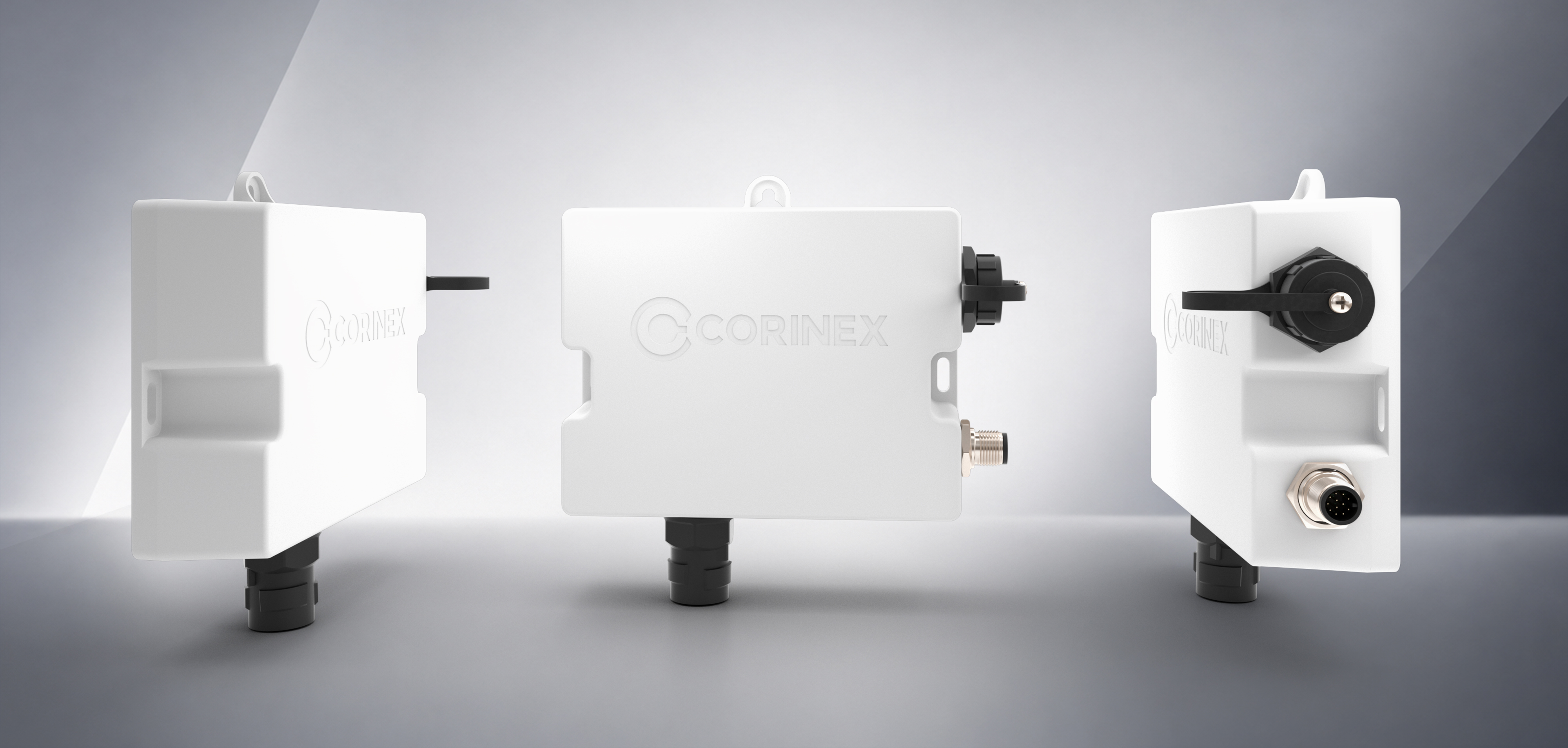
Corinex supports this approach by combining Broadband over Power Lines (BPL), grid-edge sensing, and intelligent software to digitalize low-voltage electricity networks. These capabilities enable utilities to better understand network conditions, optimize existing capacity, and make evidence-based operational and investment decisions.
As global electrification ambitions move towards implementation, these capabilities will become increasingly important. By making grid modernization an integral part of the energy transition, utilities and policymakers can help ensure that electricity networks enable the ambitions highlighted at COP31.
IEA (2026), Modernising Grids in the Age of Electricity, IEA, Paris. https://www.iea.org/reports/modernising-grids-in-the-age-of-electricity, License: CC BY 4.0.
Derechos de autor © 2026 Corinex Corp. Todos los derechos reservados.