In Toronto’s west end, the electrification of a 115-year-old home shows how Canada’s grid challenge is taking shape on the local distribution networks serving Canadian households.
The homeowners wanted lower energy bills and less dependence on natural gas. They installed heat pumps and rooftop solar, then converted their water heating, cooking and laundry systems to electricity. But the most revealing part of the retrofit was less visible: the home’s 100-amp electrical panel had to be replaced with a 200-amp panel.
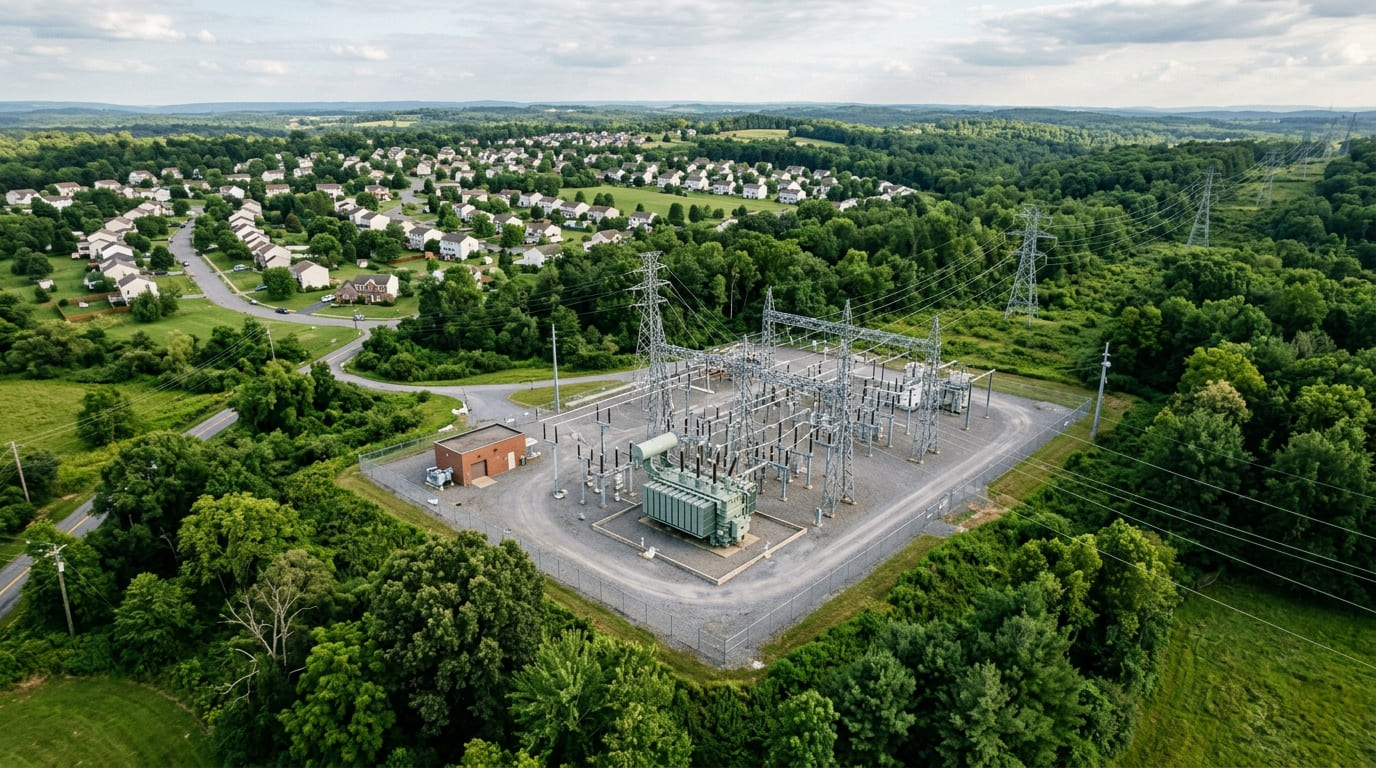
That upgrade points to a broader constraint. As households electrify, new loads can cluster in the same neighborhoods and peak on the same schedule, straining distribution transformers and feeders even when capacity remains available elsewhere on the grid. This concentration of demand risks turning local distribution networks into a bottleneck in Canada’s energy transition.
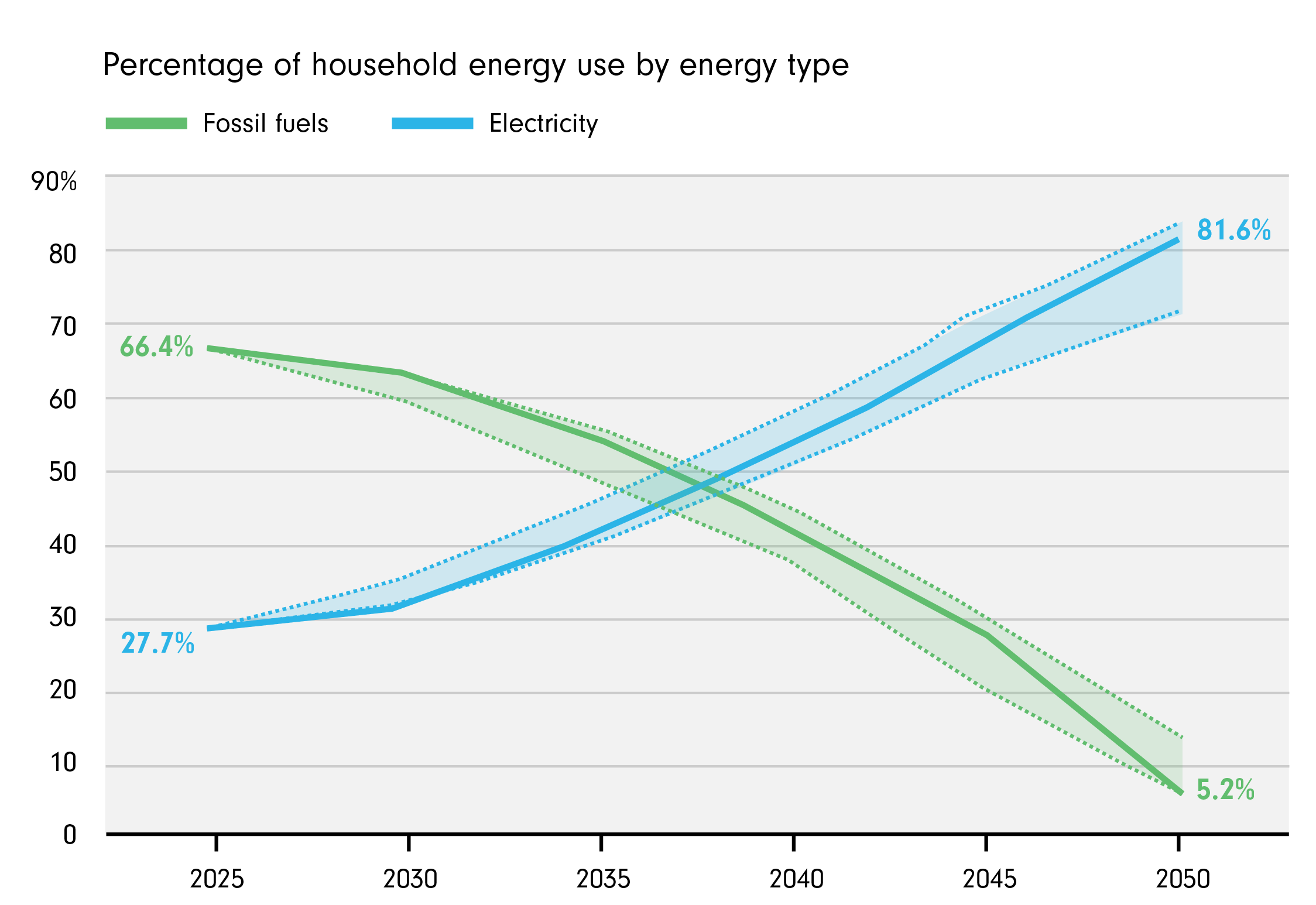
These neighborhood-level pressures are intensifying just as Canada begins charting the future of its electricity system. On May 14, 2026, the federal government announced plans for a forthcoming National Electricity Strategy, with electricity demand expected to double by 2050. The strategy calls for more generation, stronger transmission connections, and broader grid modernization.
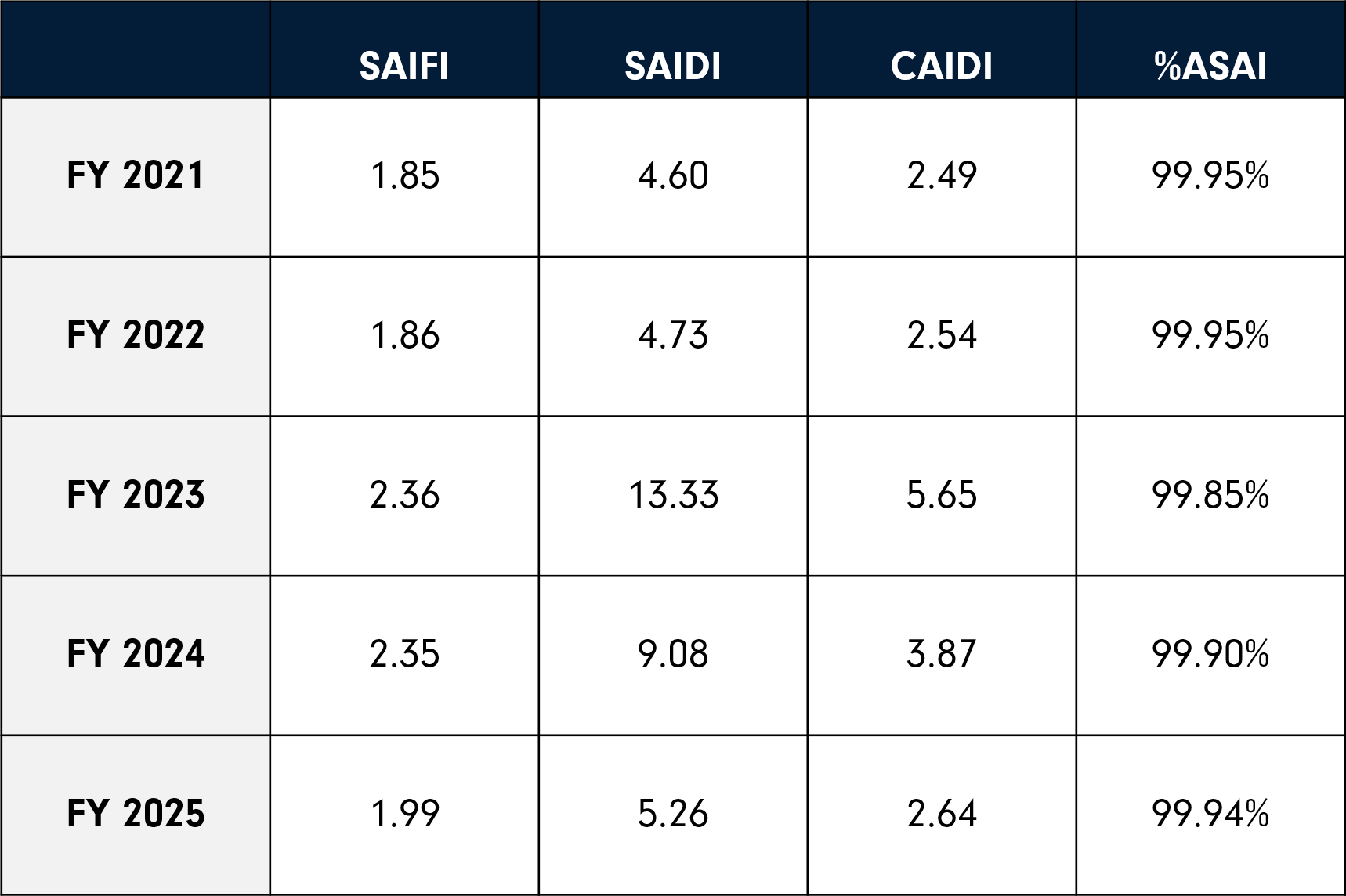
At the distribution level, where household electrification is reshaping demand, grid modernization is essential to helping utilities identify local constraints, make better use of existing capacity, and address emerging pressures before they affect reliability.